
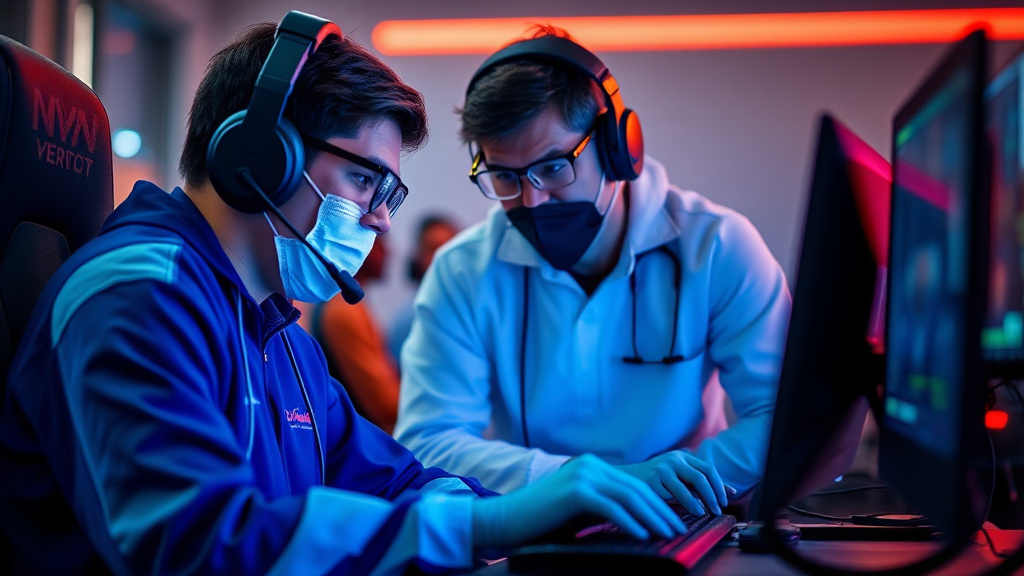
As esports gains mainstream prominence with tournaments worth millions and celebrity-level players, a critical health crisis exists beneath the screens. Professional gamers face mounting mental and physical health challenges—from repetitive stress injuries to exhaustion—yet the industry has no standardized safety protocols. Now, innovative medical experts are getting involved to change the game, establishing thorough injury prevention guidelines purpose-built to esports athletes. This pioneering effort is designed to protect athletes’ long-term wellbeing while legitimizing esports as a legitimate competitive sport requiring medical oversight.
Recognizing Frequent Esports Ailments
Physical Trauma in Competitive Gaming
Professional gamers experience a wide range of physical injuries that rival traditional athletes, though often underappreciated by the broader public. Repetitive strain injuries, including carpal tunnel syndrome and tendinitis, plague players who spend 10-14 hours per day performing precise mouse clicks and keyboard commands. These conditions emerge slowly, resulting in pain, numbness, and weakened grip that significantly affects competitive performance and professional lifespan. Additionally, neck strain, lower back pain, and shoulder injuries develop due to extended periods of sitting during marathon gaming sessions.
The severity of esports professional competition accelerates injury occurrence significantly. Players need to sustain optimal performance during high-stakes tournaments spanning several days with reduced recovery periods. The combination of extreme focus, quick repetitive movements, and psychological pressure creates a dangerous mix for musculoskeletal damage. Unlike conventional athletics where athletes follow training protocols and injury care systems, esports professionals often push through pain, lacking proper medical guidance and preventive care strategies essential for preserving their bodily health.
Mental Health and Emotional Stress
Beyond physical injuries, esports professionals grapple with significant mental health challenges that significantly impact their overall wellbeing and professional longevity. Persistent stress from competition-related pressure, inconsistent sleep patterns, and social isolation lead to anxiety, depression, and burnout among professional players. The intense requirements of upholding professional standards while managing public scrutiny creates emotional stress that many young athletes struggle to navigate effectively without expert psychological assistance and adaptive techniques.
The esports industry’s accelerated development has exceeded mental health infrastructure development, leaving players at risk of untreated psychological conditions. Competitive calendars, streaming obligations, and sponsorship demands generate constant pressure that goes past competitive play into daily life. Many esports competitors experience trouble disengaging from gaming, developing unhealthy relationships with their sport. Healthcare professionals recognize these patterns as significant warning signs necessitating support through education, convenient mental health services, and industry-wide awareness campaigns.
Thorough Prevention Methods
Healthcare specialists have created a comprehensive strategy to preventing injuries that tackles the unique demands of esports competition. These strategies encompass workplace ergonomics, physical conditioning, mental health support, and recuperation guidelines. By implementing comprehensive prevention measures, esports organizations can substantially lower injury rates while improving player performance and career longevity. The guidelines stress that injury prevention is not a single action but an sustained initiative necessitating cooperation between competitors, coaches, medical personnel, and equipment suppliers.
Ergonomic Arrangement and Gear
Proper ergonomic setup serves as the basis of preventing injuries in esports. Healthcare professionals recommend standardized desk setups that preserve neutral spine alignment, proper monitor height at eye level, and adjustable seating that provides support to the lumbar region. Input devices should be positioned to minimize wrist strain, while appropriate work surface height prevents shoulder elevation. Regular ergonomic assessments ensure that each player’s setup accommodates their individual physiology and playing style, reducing cumulative stress on joints and muscles.
High-quality gaming equipment incorporating ergonomic principles significantly impacts injury prevention outcomes. Mechanical keyboards featuring suitable actuation forces, ergonomic mice with wrist support, and gaming chairs built for extended play sessions all contribute to player safety. Healthcare professionals suggest purchasing equipment that supports correct posture and reduces repetitive strain. Additionally, peripheral devices such as monitor stands, key trays, and footrests let gamers personalize their workstation for peak comfort and injury reduction.
Fitness Training and Conditioning
Tailored conditioning regimens designed for esports athletes’ unique requirements are vital for injury prevention and performance enhancement. These programs focus on strengthening stabilizer muscles, enhancing range of motion, and improving aerobic capacity. Healthcare professionals suggest including exercises that address the upper body and core region—areas most vulnerable to injuries from gaming. Regular strength training sessions, combined with dynamic flexibility work, help players build resistance to strain-related conditions while improving their overall athletic capacity and in-game performance.
Workout programs should be incorporated into competitors’ regular training, preferably overseen by injury prevention experts or accredited fitness coaches. Tailored exercise routines address personal risk zones revealed by movement analysis and previous damage. Recuperation methods including foam rolling, sports massage, and light activity periods are equally important aspects of complete training systems. When implemented consistently, these conditioning programs help prevent injury but also improve reaction time, mental clarity, and endurance—key components for competitive success in high-level esports.
- Regular stretching exercises targeting neck, shoulders, and wrists
- Strength training emphasizing core strength and postural muscles
- Cardiovascular conditioning to improve overall physical endurance
- Flexibility work preventing mobility restrictions and injuries
- Recovery protocols including massage and active rest days
Implementation and Long-term Health
Setting Sector Guidelines
Healthcare practitioners are partnering with esports organizations to incorporate injury prevention guidelines into training regimens and competitive formats. These standards include ergonomic assessments, enforced break intervals, and regular health screenings for competitive players. By creating structured guidelines, the industry can markedly decrease injury rates and establish more secure working environments. Organizations embracing these practices reflect commitment to player welfare, setting new benchmarks for professionalism and accountability throughout competitive gaming.
Implementation necessitates collaboration among organizational leadership, sports medicine teams, and player personnel. Practice venues need to satisfy ergonomic specifications, encompassing correct chair positioning, screen placement, and equipment setup. Sports medicine experts are delivering training sessions to educate trainers and player personnel about injury prevention techniques. This collaborative approach guarantees standards stay implementable and sustainable, converting theoretical recommendations into concrete strategies that preserve athlete wellbeing while upholding fair competition.
Sustaining Long-term Wellness
Long-term health outcomes rely on regular compliance with prevention strategies and ongoing oversight of player wellbeing. Healthcare professionals advise yearly thorough health evaluations, including physical assessments and psychological assessments, to detect developing problems early. Establishing initial health benchmarks allows medical teams to monitor developments and take preventive action. This longitudinal approach ensures professional gamers sustain peak performance while protecting their physical and psychological health throughout their careers.
The esports industry’s growth hinges on prioritizing athlete wellness as fundamental to winning outcomes. By normalizing healthcare integration and injury prevention, esports gains recognition with conventional athletics. Future generations of professional gamers will benefit from structured wellness programs, reduced injury risks, and extended career longevity. This paradigm shift represents esports’ evolution into a mature professional sector where player health and performance success are mutually reinforcing objectives.
